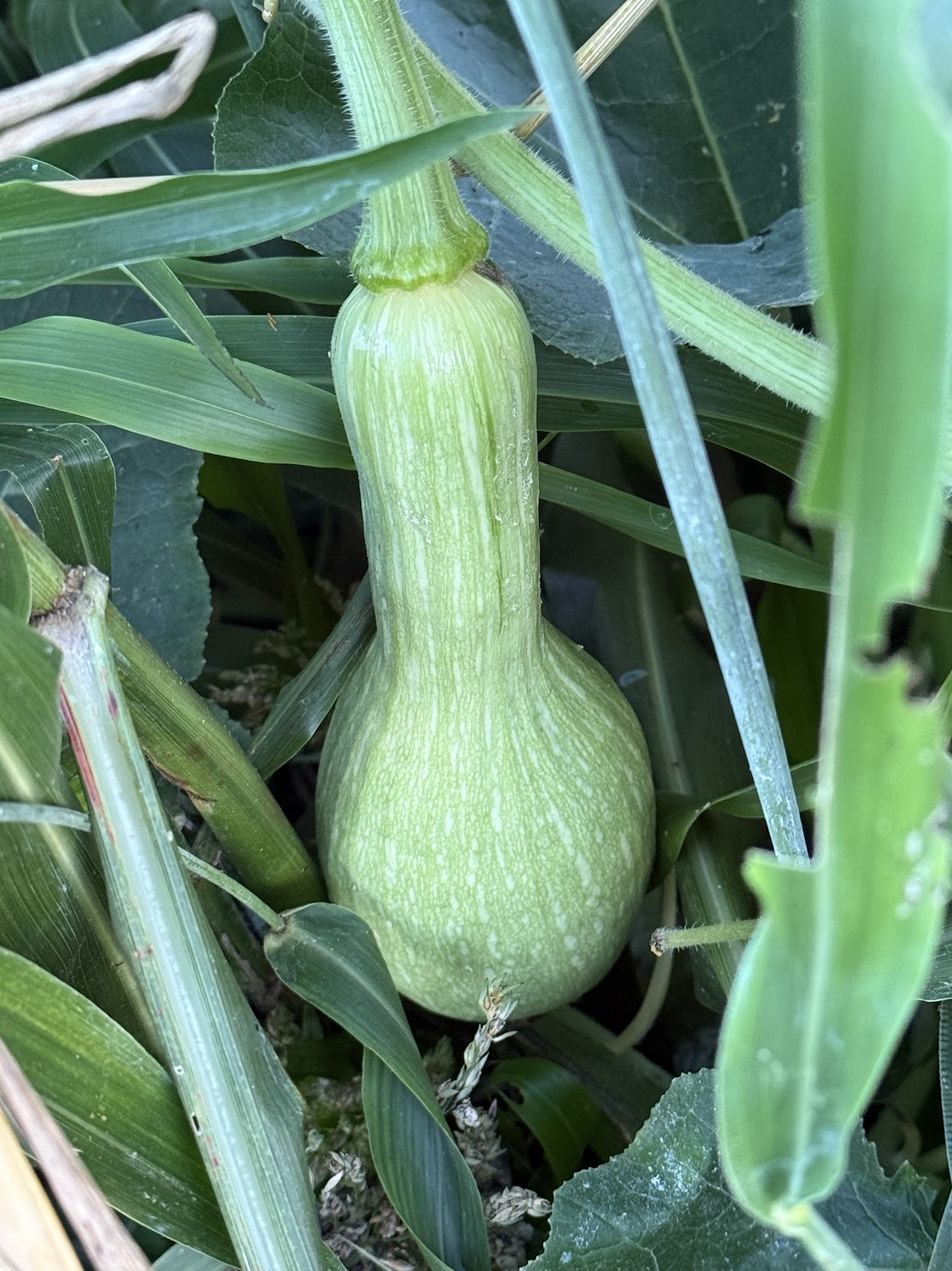
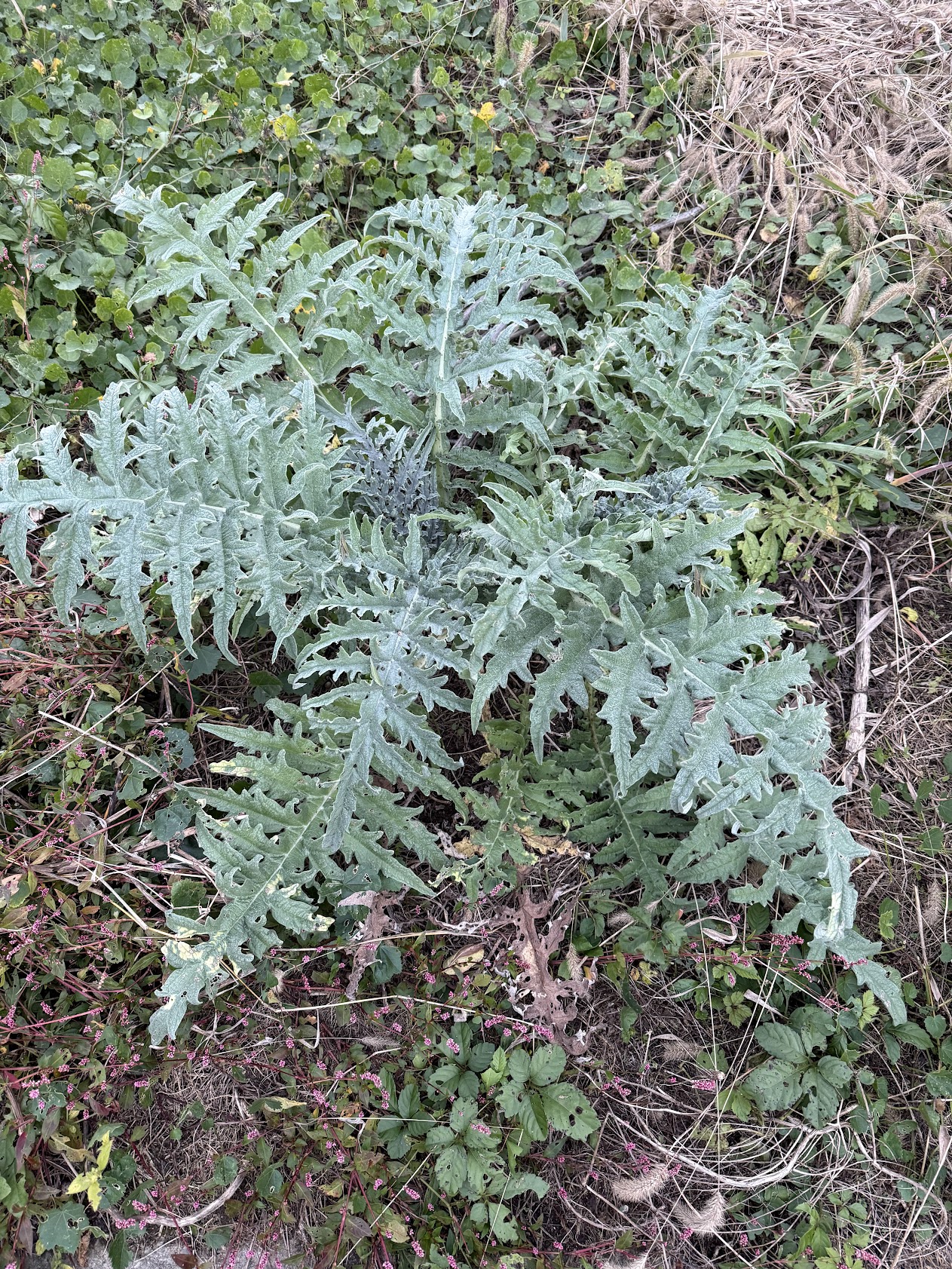
"Light Farming" is a concept advanced by Dr. Christine Jones.
It holds that every food and fiber producer is first and foremost a "farmer of light."
In the 2026 Middle East war, a significant share of the world's nitrogen fertilizer and sulfur supply was destroyed. Recovery will take 3–5 years.
Farming that depends on fertilizer is no longer cheap farming.
What Light Farming offers is an agriculture that doesn't depend on external inputs — food produced through photosynthesis and soil microbes.
What Masanobu Fukuoka's natural farming demonstrated in practice fifty years ago, Dr. Christine Jones has backed up with science.
In 2026, This Paper Took On a New Meaning
Dr. Jones published this paper in 2018. At the time it was read as "idealism" or "a niche for the ecologically minded." As long as chemical fertilizer was cheap and abundant, the detour of cultivating soil microbes seemed unnecessary.
In March–April 2026, the 39-day war between the United States and Iran led to airstrikes on petrochemical facilities around the Persian Gulf. Even with the ceasefire in place, broken plants don't produce fertilizer. Recovery is expected to take 3–5 years.
World share lost (Persian Gulf)
- Seaborne urea exports 46%
- Ammonia exports 29%
- Sulfur exports ~50%
Both nitrogen fertilizer (ammonia, urea) and phosphate fertilizer (whose production depends on sulfur) have entered a years-long supply crunch.
"Mycorrhizal fungi can supply up to 90% of a plant's nitrogen and phosphorus requirements" — this finding from Dr. Jones's 2018 paper was once treated as "an option for the future." It has become the practical answer to "how do we make this year's planting work."
When the flow of fossil resources is interrupted, food production can only be sustained by light and soil microbes. What Masanobu Fukuoka's natural farming demonstrated in practice half a century ago, Dr. Jones backed up with science in 2018 — and the reality of 2026 has proven.
Related note: The fertilizer shortage won't end when the Strait of Hormuz reopens — an era that forces natural farming on us
Why It Matters in the AI Era
AI replaces accounting, legal, translation, marketing, and programming. For a monthly subscription, a single person can now do work that required an entire company.
This doesn't mean AI makes humans unnecessary — it means humans can return to their proper work.
AI identifies pests through image recognition, tracks soil moisture from satellite data, and predicts optimal planting days from weather patterns.
But smelling the soil, reading leaf color, and feeling the health of the mycorrhizal network remain things only humans can do.
AI supports observation, records, and analysis, but the dialogue with nature itself cannot be outsourced.
Light Farming is agriculture for living systems — systems you can measure but cannot fully control.
The combination of AI and Light Farming makes small-scale distributed agriculture viable: no corporate-scale machinery investment, no massive chemical inputs required, just one person regenerating soil while producing food.
At the intersection of an age without fertilizer and an age of AI, Light Farming becomes implementable.
What AI Does Well, What It Cannot — Complicated vs. Complex
AI is strongest in the "complicated" domain — code, chess, accounting, logistics, insurance underwriting. Systems that decompose into parts, whose rules can be written down, and where scale improves accuracy. Here, AI is genuinely transformative.
Soil microbiomes, ecosystems, climate, the human body, and culture are something else: they are "complex" systems. They have feedback loops, emergence, irreversibility, and path dependence. The moment you try to decompose them into parts, the essence is gone. "Solve" and "optimize" are not even the right verbs here.
Because most AI practitioners are trained only on the success stories of the former, they import the same methodology into the latter: "scale will solve it," "reduce it to an optimization problem," "define the goal and you'll reach it." In a complex system, every one of these is wrong. AlphaFold predicting the structure of a single protein does not mean that intracellular dynamics or ecosystems have been "solved."
The deeper blind spot is the asymmetry of irreversibility. Bad code from Copilot can be rolled back with ctrl+z. A farm whose mycorrhizal network has been destroyed does not come back for decades. A generation to destroy, decades to restore — Dr. Jones's 50-year message describes one of the structures that the AI community finds hardest to imagine. "AI will fix what AI broke" is a framing that misses this asymmetry entirely.
Light Farming's method is humble before this asymmetry. Rather than controlling, it arranges the conditions and leaves the work to microbes and plants. It observes, records, and converses. AI is a perfect tool for supporting observation, but it is absolutely not a substitute for nature itself. The farmers who can hold this distinction will grow the food of the future.
What if there was a process that could remove carbon dioxide from the atmosphere, replace it with oxygen, support soil microbes, rebuild topsoil, enrich the nutrient-density of food, restore the water balance, and improve farm profitability?
Fortunately, there is. It is called photosynthesis.
— Christine Jones, PhD
The Power of Photosynthesis
Photosynthesis is the miraculous process performed in the chloroplasts of green leaves.
It combines atmospheric carbon dioxide (CO2) and water (H2O) from the soil, capturing light energy to produce simple sugars — biochemical energy.
These simple sugars — called "photosynthates" — are the foundation of life above and below ground.
Plants convert these sugars into a diverse array of carbon compounds: starches, proteins, organic acids, cellulose, lignin, waxes, and oils.
Fruits, vegetables, nuts, seeds, and grains are all "packaged sunlight," born of photosynthesis.